

 Blog details
Architecture firms rely on speed, accuracy, and collaboration every single day. That is why managed IT services for architecture firms Los Angeles businesses can trust are no longer optional. When design teams depend on large files, CAD software, cloud platforms, jobsite access, and client deadlines, weak IT support can slow down the entire firm.
In Los Angeles, architecture firms operate in a fast-moving environment. Projects often involve developers, engineers, contractors, city departments, consultants, and clients who all need timely access to accurate information. As a result, your technology needs to support more than basic office work. It needs to keep design teams productive, protect sensitive project data, and prevent avoidable downtime.
The right managed IT provider helps architecture firms build a stronger technology foundation. Instead of reacting to problems after they disrupt work, your firm gets proactive support, better planning, stronger cybersecurity, and systems that match the way architects actually work.
Why Architecture Firms Need Specialized IT Support
Architecture firms have different technology needs than standard professional offices. Your team may use resource-heavy applications like AutoCAD, Revit, SketchUp, Bluebeam, Adobe Creative Cloud, Enscape, or other design and rendering tools. These platforms require reliable workstations, stable networks, fast file access, and proper system maintenance.
When IT issues appear, they can create expensive delays. A slow workstation can interrupt design production. A failed backup can put project files at risk. Poor cloud access can create version control problems. Even worse, a cyberattack or email compromise can expose client information, contracts, building plans, or financial records.
Because of this, architecture firms need IT support that understands performance, uptime, security, and collaboration. Generic support may fix simple problems, but it often misses the deeper workflow issues that affect design teams.
A strong managed IT services partner helps your firm stay ahead of those problems. More importantly, they align technology with how your architects, designers, project managers, and administrative staff work every day.
Architecture firms using Revit should review the official Autodesk Revit system requirements before upgrading workstations or planning new hardware.
Common IT Challenges Architecture Firms Face
Architecture firms in Los Angeles often deal with complex technology environments. Many firms have a mix of office workstations, remote users, cloud storage, project management tools, design applications, printers, plotters, and client portals. Without a clear IT strategy, these systems can quickly become difficult to manage.
Common challenges include:
- Slow CAD, BIM, or rendering performance
- Large design files that take too long to open, sync, or share
- Unreliable backups for project folders and client documents
- Weak cybersecurity around email, cloud accounts, and remote access
- Poor coordination between IT vendors, software vendors, and internet providers
- Outdated workstations that cannot handle current design software
- Permission issues that expose sensitive project files
- Downtime that interrupts deadlines and client deliverables
These problems do more than frustrate employees. They reduce billable productivity, delay projects, and make the firm look less reliable to clients. Therefore, architecture firms need proactive IT management instead of one-off repairs.
How Managed IT Services Improve Design Workflows
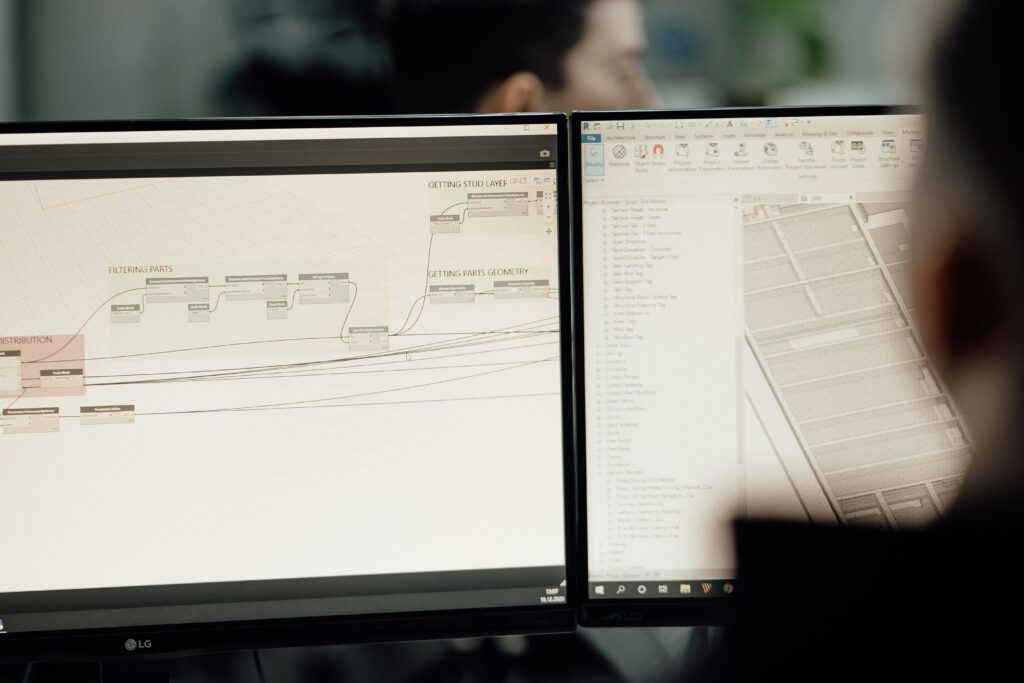
Managed IT services for architecture firms in Los Angeles work faster and with fewer interruptions with the right help. Instead of waiting for something to break, your IT provider monitors systems, maintains devices, patches software, manages backups, and supports users before small issues become serious problems.
For architecture firms, this matters because design production depends on reliable technology. Your team needs fast access to project files, stable software performance, secure cloud collaboration, and dependable hardware. When these pieces work together, designers can stay focused on the work instead of fighting technical problems.
A managed IT provider can also help standardize your environment. That may include workstation recommendations, software deployment, user permissions, cloud storage structure, endpoint protection, and remote access policies. As a result, your team gets a more consistent experience across the firm.
This consistency becomes especially valuable as your firm grows. New hires can get onboarded faster. Remote workers can access the right tools securely. Project folders can follow a cleaner structure. Leadership can also make better decisions because the firm finally has visibility into its technology.
Cybersecurity for Architecture Firms in Los Angeles
Architecture firms hold valuable data. Project drawings, site plans, contracts, client records, vendor details, financial documents, and internal communications all need protection. Cybercriminals know this, which is why professional service firms remain common targets for phishing, ransomware, and business email compromise.
Cybersecurity should not feel like an obstacle to productivity. Instead, it should support safe collaboration. The right managed IT services provider can help architecture firms strengthen security without making daily work harder than it needs to be.
Important protections include multi-factor authentication, email security, endpoint protection, secure remote access, password management, backup testing, and employee security training. Additionally, your firm should control who can access sensitive project files. Not every user needs access to every folder, and permissions should change when roles or projects change.
Los Angeles architecture firms also need to think about vendor risk. Engineers, contractors, consultants, and outside partners often need file access. Therefore, your firm should have clear policies for sharing data securely. A managed IT provider can help set up those systems so collaboration stays efficient and controlled.
Better Backup and Disaster Recovery Planning
Architecture projects involve countless hours of work. Losing files can be devastating. Even a short outage can cause missed deadlines, unhappy clients, and lost revenue. That is why backup and disaster recovery planning should be a core part of managed IT services for architecture firms.
A simple backup is not enough. Your firm needs backups that are monitored, secured, and tested. Otherwise, you may not know whether your files can actually be restored until a crisis happens. A strong IT partner checks backup health, confirms recovery options, and helps your firm prepare for ransomware, hardware failure, accidental deletion, or cloud account compromise.
Disaster recovery planning also helps leadership understand what happens during an outage. Who gets contacted? Which systems come back first? How quickly can the firm access project files? What data could be lost? These questions should have clear answers before an emergency occurs.

Cloud Collaboration and Remote Access for Architecture Teams
Many architecture firms now work across offices, homes, jobsites, and client locations. Because of that, cloud collaboration and remote access need to be reliable and secure. However, architecture firms must handle large files carefully. Poorly configured cloud storage can cause sync errors, duplicate files, access issues, or version confusion.
Managed IT services help firms choose and manage the right setup. Some teams may benefit from Microsoft 365, SharePoint, OneDrive, Azure Virtual Desktop, VPN access, or a hybrid file system. Others may need more specialized solutions based on file size, application requirements, and project workflow.
The goal is simple: your team should access the right files from the right place without creating security risks. When cloud tools are configured properly, architecture firms can improve collaboration, reduce bottlenecks, and support flexible work without losing control over project data.
Choosing the Right IT Partner for Your Architecture Firm
Not every IT provider is the right fit for an architecture firm. Your provider should understand design software, large file performance, workstation needs, cloud collaboration, cybersecurity, and vendor coordination. They should also communicate clearly with both technical and non-technical staff.
A reliable managed IT partner should provide:
- Proactive monitoring and maintenance
- Fast help desk support
- Cybersecurity protection
- Backup and disaster recovery planning
- Cloud and remote access support
- Workstation and software guidance
- Vendor management
- Strategic IT planning
Most importantly, they should help your firm reduce friction. Technology should support your projects, not slow them down. If your current IT setup constantly creates delays, confusion, or security concerns, it may be time to move to a more proactive model.
Build a Stronger IT Foundation for Your Architecture Firm
Architecture firms in Los Angeles need technology that can keep up with demanding projects, large files, tight deadlines, and modern security risks. Managed IT services give your firm a more reliable way to support design teams, protect project data, and reduce downtime.
With the right IT partner, your firm can improve workstation performance, strengthen cybersecurity, simplify cloud collaboration, and recover faster from unexpected issues. More importantly, your team can stay focused on serving clients and delivering high-quality design work.
For architecture firms that want fewer disruptions and better control over their technology, managed IT services are a smart investment. Titan Assist helps Los Angeles businesses build secure, reliable, and scalable IT environments that support real daily operations.