

 Blog details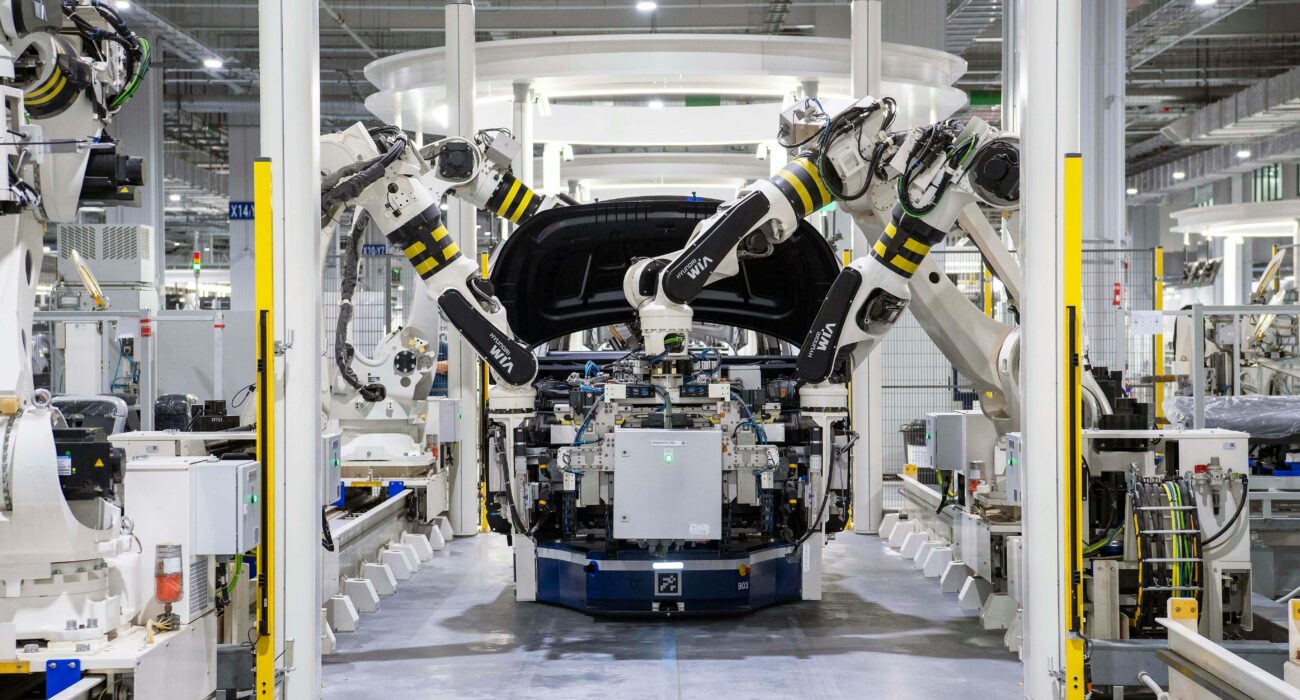
Managed IT services for manufacturing have become far more important than basic help desk support. Today’s manufacturers depend on connected systems across the front office, plant floor, warehouse, and supply chain. As a result, even a small technology failure can delay production, disrupt shipping, or create costly quality issues. At the same time, manufacturers are connecting more OT and IT systems to improve visibility and efficiency, which also expands cyber risk if those environments are not managed carefully.
For many manufacturers, the real challenge is not buying more technology. It is keeping every critical system stable, secure, and aligned with operations. That includes ERP platforms, production workstations, wireless networks, backup systems, remote access, endpoint protection, and vendor coordination. In other words, manufacturers need an IT strategy that supports uptime just as much as it supports cybersecurity.
Why Manufacturing Needs a Different Kind of IT Support
Manufacturing environments move faster than most offices. A law firm can often survive a short software issue with delays and workarounds. A manufacturer usually cannot. When a line goes down, the cost shows up immediately in labor, missed deadlines, overtime, scrap, and customer frustration.
That is exactly why generic IT support often falls short in this space. Manufacturers need a provider that understands how office systems connect to production outcomes. For example, a weak wireless network is not just an inconvenience when scanners, tablets, handhelds, or shop floor devices depend on it. Likewise, a slow server is not just an annoyance when it interrupts inventory, scheduling, or order processing.
The stakes are even higher because manufacturers continue to face serious ransomware and operational disruption risk. IBM’s 2025 threat intelligence reporting said manufacturing saw the highest number of ransomware cases in 2024, while CISA has also highlighted cyber threats to the critical manufacturing sector as a major operational concern.
What Managed IT Services for Manufacturing Should Actually Include
A real manufacturing-focused MSP should do more than wait for tickets. Instead, it should build an environment that stays predictable under pressure. That means proactive support, clear documentation, strong security controls, and close alignment with production needs.
At a practical level, managed IT services for manufacturing should include:
- 24/7 monitoring for servers, endpoints, firewalls, and critical infrastructure
- Fast help desk support with clear escalation for urgent production-impacting issues
- Backup and disaster recovery with tested restores
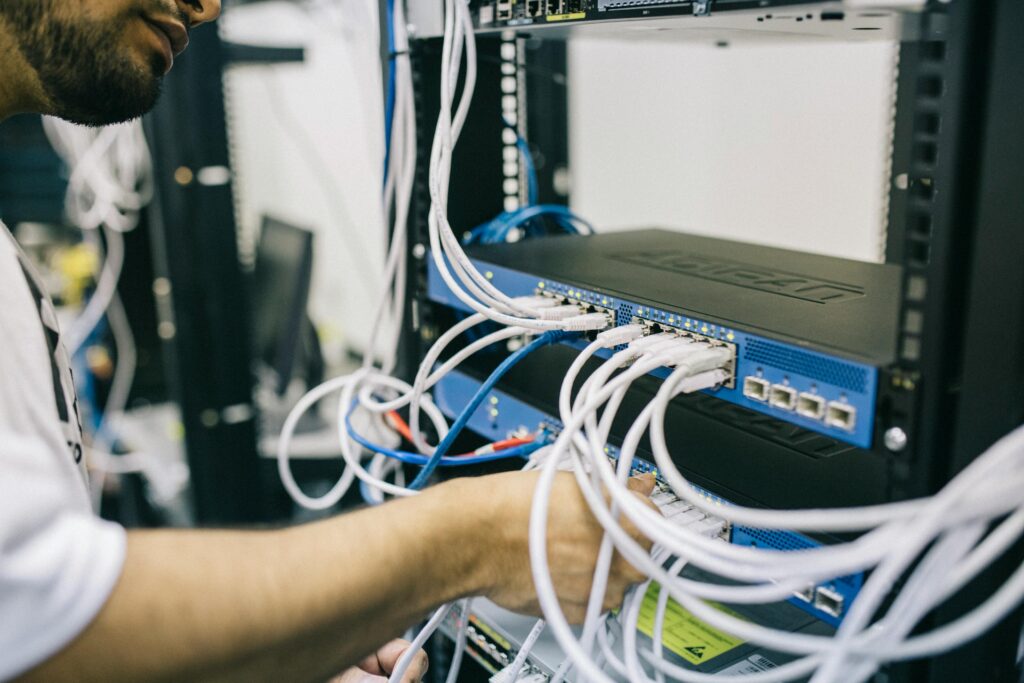
- Network management for plants, offices, remote sites, and warehouses
- Endpoint protection, patch management, and vulnerability remediation
- Secure remote access for staff, vendors, and leadership
- Microsoft 365 management, identity protection, and MFA enforcement
- Vendor coordination for ERP, VoIP, line-of-business apps, and internet providers
However, the best providers go further. They standardize systems, reduce unnecessary complexity, and make support easier to scale as the business grows. Consequently, your team spends less time chasing recurring issues and more time focusing on production, customer relationships, and expansion.

Downtime Reduction Starts With Better IT Discipline
Many manufacturing leaders assume downtime is caused only by machine issues. In reality, a surprising amount of downtime starts in the surrounding IT environment. It can begin with failed updates, weak documentation, poor access control, aging servers, unstable Wi-Fi, or backup systems that have never been tested.
That is where managed services create measurable value. A strong MSP builds routines that reduce surprises. First, it documents your systems and dependencies. Next, it monitors for early warning signs such as storage issues, login anomalies, failing hardware, and network congestion. Then, it resolves problems before they spread into larger operational disruptions.
Just as important, the provider should separate critical systems by risk and priority. Your accounting workstation does not carry the same urgency as the system that supports purchasing, production scheduling, or plant communications. Therefore, manufacturing IT support has to reflect business reality, not just technical convenience.
NIST’s manufacturing cybersecurity guidance specifically emphasizes that IT/OT integration boosts productivity while also increasing exposure, and its newer Manufacturing Profile for CSF 2.0 is designed as a roadmap for reducing cybersecurity risk in manufacturing environments.
Security Matters Because Production Depends On It
For manufacturers, cybersecurity is not just about protecting files. It is about protecting operations. If attackers lock systems, interrupt access, or move laterally into connected environments, the result may be lost production time, damaged trust, and expensive recovery work.
That is why manufacturers should expect their IT partner to treat security as part of uptime planning. Good managed IT services for manufacturing should include layered endpoint security, identity protection, email security, backup validation, network segmentation, and role-based access controls. Moreover, they should also include user training, because a single phishing click can still open the door to major disruption.
This matters even more for manufacturers that serve defense, aerospace, or government supply chains. The Department of Defense’s CMMC program is already in phased implementation, with Phase 1 beginning on November 10, 2025. Manufacturers that handle FCI or CUI need to understand where they fit and how their systems, vendors, and internal processes support assessment readiness. For a practical framework, review NIST’s guidance for protecting manufacturing systems and use it to strengthen both resilience and security planning.
How to Choose the Right MSP for a Manufacturing Company
Not every MSP is built for manufacturing. Some are solid at general office support but struggle when environments include warehouses, multiple facilities, vendor-managed systems, legacy equipment, and production-sensitive scheduling.
A better fit will ask sharper questions. They will want to know which systems affect revenue fastest, where your biggest operational bottlenecks live, how remote vendors connect, how often backups are tested, and what would happen if your ERP or file server went offline for a day. More importantly, they will not try to force a one-size-fits-all support model onto a specialized environment.
The right provider should also help leadership plan ahead. That includes budgeting for upgrades, replacing unsupported hardware, improving cyber resilience, and aligning IT decisions with production growth. In other words, they should act like an operational partner, not just a repair shop. That same industry-specific approach also matters in other sectors, including managed IT services for law firms. Likewise, providers that support managed IT services for small clinics know that specialized environments need specialized IT strategy.
FAQ'S
-
What are managed IT services for manufacturing?
Managed IT services for manufacturing are ongoing technology support and management solutions designed for production environments. They typically include help desk support, network management, cybersecurity, backups, patching, vendor coordination, and proactive monitoring.
-
Why do manufacturers need specialized IT support?
Manufacturers need specialized IT support because technology issues can disrupt production, delay shipments, and create costly downtime. A provider with manufacturing experience understands how to support critical systems without creating unnecessary operational risk.
-
How do managed IT services for manufacturing reduce downtime?
Managed IT services for manufacturing reduce downtime by monitoring systems proactively, resolving issues faster, improving backup readiness, securing remote access, and keeping networks, servers, and endpoints stable before small problems turn into larger disruptions.
Manufacturers do not need reactive IT. They need stable systems, faster support, stronger security, and a plan that protects production. That is why managed IT services for manufacturing continue to matter more every year. When the right MSP is in place, your business gains fewer disruptions, better visibility, stronger protection, and more confidence in every part of the operation.